Introduction
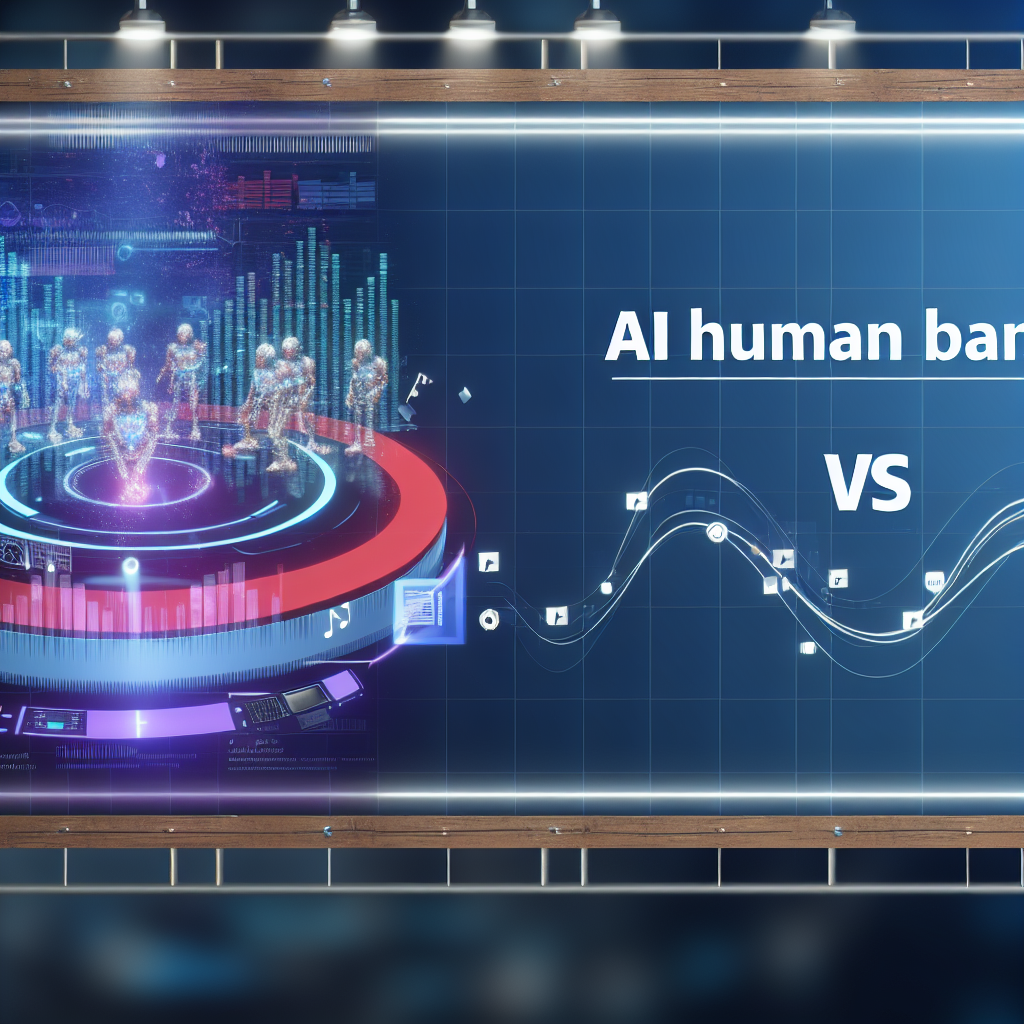
The world of music is experiencing a seismic shift, with artificial intelligence (AI) now capable of creating compelling musical compositions. AI bands are emerging, challenging the traditional paradigm of human-only music creation. But can these AI bands ever compete with human bands on the prestigious Billboard charts? This article explores the possibilities and challenges in the convergence of AI and music.
The Emergence of AI in Music
AI has been making inroads into the music industry for years. For instance, OpenAI's MuseNet can generate 4-minute musical compositions with 10 different instruments, spanning a wide range of styles. Another example is AIVA (Artificial Intelligence Virtual Artist), an AI that composes classical music and has been officially recognized by the SACEM (the French Society of Authors, Composers, and Publishers of Music).
AI music tools like Amper Music, Jukin, and Boomy allow anyone to create original music in minutes, providing a platform for AI to democratize music creation. These advancements beg the question: could AI-created music ever dominate the Billboard charts?
AI Music on the Charts
In 2019, Yona, an AI 'pop star' created by the tech company Auxuman, released an album every month, demonstrating AI's capacity for high-volume music production. However, despite the technical proficiency of AI artists, their music hasn't yet made a significant impact on mainstream charts.
Billboard charts, renowned for tracking the most popular songs and albums, still primarily feature human-created music. The charts not only reflect sales and streams but also radio airplay, which is influenced by human emotions and connections with the music—an aspect AI music currently lacks.
The AI-Human Collaboration
Despite AI’s incredible progress, the most promising avenue seems to be in AI-human collaborations. Take the case of Taryn Southern, a singer who created the album "I AM AI," using the AI program Amper. Here, the AI created the music, while Southern provided the lyrics and vocals.
Such collaborations allow for the incorporation of human emotion, storytelling, and the artist's unique style—elements that AI alone may struggle to replicate. This hybrid approach could potentially lead to more AI involvement in chart-topping music.
Challenges Ahead for AI Music
While AI's capabilities are impressive, there are hurdles to overcome. One significant challenge is the question of copyright and royalties. Who owns the rights to AI-generated music—the programmer, the user, or the AI itself? This is an ongoing debate in the industry that may impact AI's future in music.
Another challenge is the emotional connection that is often vital in music. Can AI truly replicate the raw emotion and personal experiences that human artists bring to their music? This remains to be seen.
Conclusion
AI's potential in music creation is undeniable, with AI bands and artists already producing intriguing compositions. However, the prospect of an AI-made album topping the Billboard charts remains elusive for now. The future may likely see more AI-human collaborations, where AI's ability to generate music is complemented by the emotional depth and creativity of human artists. As we continue to explore this frontier, one thing is clear—the intersection of AI and music will continue to redefine the boundaries of musical creativity.
CATEGORY ASSIGNMENT: Technology